


 Polski
Bez kategorii
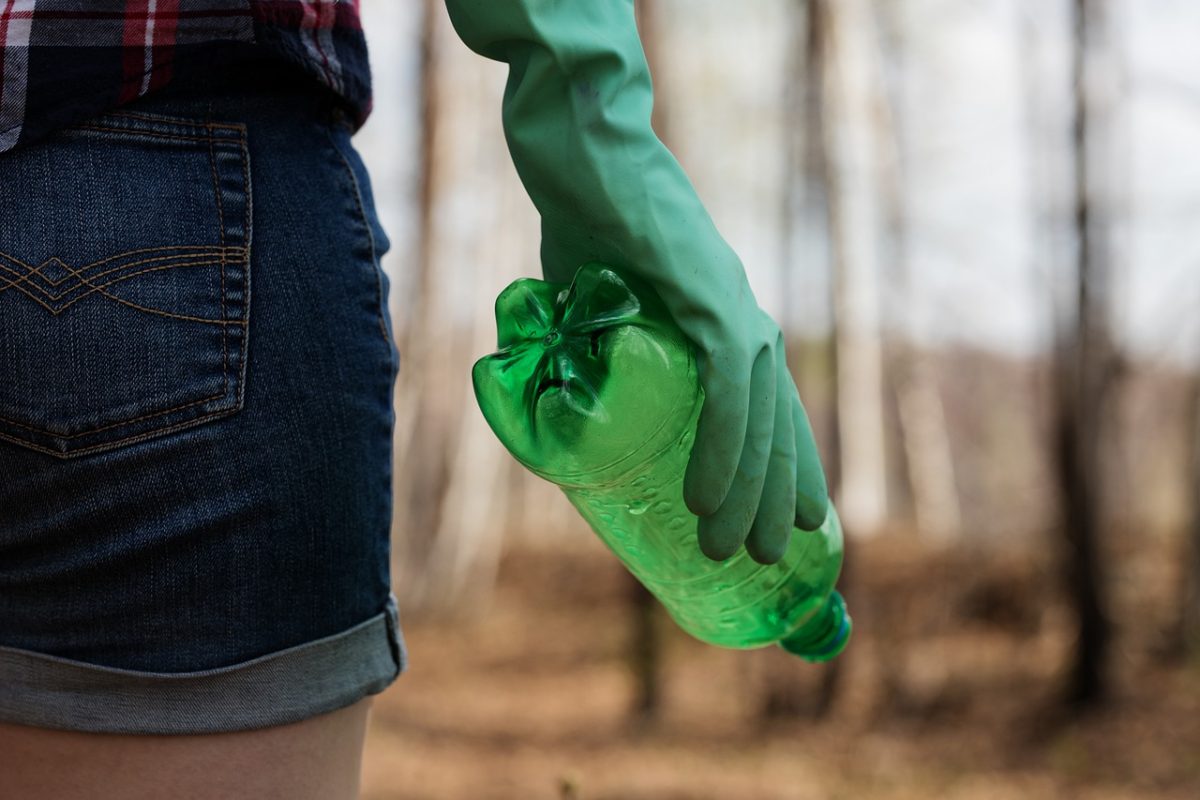
Greenwashing – that is, punching the customer into a green bottle made of … plastic
Aug
We do not have an equivalent for greenwashing in Polish. This term was somehow adopted by Poles, and means the same as “eco-friendly, green lie, green eyewash”. Greenwashing is a classic scam intended to mislead the customer as to the quality of the product and how it is produced. This means that the manufacturer is lying to us in order to make us believe that the action, product or service is ecological, created with respect for nature and without harming it.
More and more people consciously separate garbage, save water and electricity. We also know what a carbon footprint is and we pay attention to whether we get a paper or plastic straw for a drink in a cafe. Being Eco is fashionable and healthy – for us and the whole planet. Especially when it doesn’t require any effort from us. That is why we often throw products with bio, green or eco labels into the basket. In many cases, that’s when we fall victim to greenwashing. Because such products often have only green on the packaging in common with ecology.
The term greenwashing was first used in 1986 by a journalist, activist and ecologist – Jay Westerveld in an article for The New York Times in which the author presented as an example hotels that encouraged not to change hotel towels every day under the pretext of environmental protection. It was all about… profit. Washing the towel 3 times a week is cheaper than washing it 7 times. Logic. The argument was to take care of the environment – lower consumption of water, energy and detergents. On the other hand, Westerveld argued that the only savings those owners wanted were in their pockets. Greenwashing existed even before Jay Westerveld came up with the term itself. It is derived from the two words “green” (which in this case refers to ecology and nature rather than color) and the word “whitewash” which means both whitening and soaking the eyes.
The conscious consumer is the worst type of consumer for greenwashing entrepreneurs. Someone who without hesitation heads towards the eco rack will be the first fish caught in the scam net. The customer in this department is not afraid of a higher price or lower product availability. Lured by the green logo, it will pack the basket with products from producers leading in greenwashing.
It is similar, for example, with the false statement that a plastic bottle is better because it is lighter and therefore the carbon footprint is smaller. In addition, plastic is also recycled. Glass too, but endlessly …
Grennwashing in the fashion world
Greenwashing is used by corporations with sufficiently large marketing budgets, especially clothing companies, cosmetics and (not surprisingly) oil companies. Their victims are not only consumers looking for (truly) ecological products, but also brands that not only declare, but also in practice care about the environment.
A classic example of greenwashing is the PR of large clothing companies specializing in fast-fashion. It has been known for a long time that mass fashion destroys nature, poisons water, and microplastic from fibers gets into the waters (link to the article on the fast fashion blog). However, more and more often in chain stores we find products proudly marked with a green label – respecting nature and people. “We use recycled plastic to make them.” Unfortunately … Big factories still produce tons of clothes, most of which will not even be worn, because with the new season it will not be fashionable anymore and hundreds, thousands of them will find in the landfill. The recycled portion of the garment is only a small percentage of the total.
Greenwashing also does not bypass cleaning products. After all, it seemed impossible to introduce ecology into this field. Yet technology and tradition do not have to be enemies at all. Is one line of ecological products for the entire brand not enough? And of course, if you looked closely at the ingredients, not just the ingredients, would we still call this product organic?
Remember when we fall for greenwashing somewhere in the world, in an air-conditioned office, with a small espresso in a plastic cup in hand, an elegant marketer in the most fashionable clothes smiles at sales reports that tell him that he has done a great job … Ecology and health care and the environment begins to play an increasingly important role in social life in our purchasing choices. Last year, Kantar looked for the reasons for this phenomenon. The research company has prepared a report “Earthmen attack”, which shows that as much as 29% of Poles have “green” remorse. It comes down to feeling like they should do something for the environment, but they don’t really know how to do it. The same study also shows that only 12% of compatriots can say hand on heart that they care for the planet – that is, they live ecologically and at the same time agree to bear the costs of their pro-ecological choices. On the other hand, 16% of respondents try to be eco – segregate rubbish, save light or water – but they would be more willing to charge the government and industry with costs. And the younger the generation, the more important it becomes to be eco.
Greenwashing harms not only consumers, but also honest companies that take sustainability seriously, which is why knowing how to recognize greenwashing is so important. Conscious customers definitely appreciate the real, pro-ecological efforts of companies. However, being one of them requires a bit of effort to verify advertising messages.
Exprimere_te